Across centuries, silk has traveled from imperial wardrobes to the intimate quotidian of a bed. In today’s market, the silk pillowcase and silk sheet are not merely textiles but a promise: a surface that reduces friction on skin and hair, regulates temperature, and delivers a calm, hypoallergenic experience. The domain puresilkpillowcase.com signals a narrow but potent focus: pure silk as a standard of quality and a path to better rest. This article unfolds the terrain of silk-enhanced sleep as a brand-aware guide, emphasizing material metrics, reputable brands, and practical care routines that preserve silk’s subtle vibrancy over time.
We will consider key metrics such as momme weight, fabric weave (charmeuse, habotai), and the role of mulberry silk in longevity and comfort. We’ll also examine how a brand’s sourcing ethics and quality standards shape product performance and consumer trust. And because sleep science is not timeless but contextual, the piece draws from three distinctive perspectives across time: a classical observer who notes textile heritage, a modern scientist who deciphers material performance, and a contemporary brand curator who translates that knowledge into reliable consumer products.
Three Temporal Perspectives on Silk: Observers Across Eras
-
Near-Modern Historian (Late 19th – early 20th century): A scholar who traced silk’s global commerce and its cultural resonance, highlighting purity of material, craftsmanship, and the ethics of trade. This voice reminds readers that silk’s allure rests on consistent quality signals—fiber integrity, glow, and finish—that endure through the wash and wear of daily life.
-
Contemporary Textile Scientist (21st century): A researcher who explains momme weight, weave, and fiber length in accessible terms, translating laboratory metrics into practical guidance for shoppers. This voice grounds claims about silk’s hypoallergenic properties, temperature regulation, and low-friction surfaces in reproducible data.
-
Brand Curator (late 2010s – present): A product-minded storyteller who translates material science into a credible buying journey. This observer weighs sourcing ethics, brand transparency, and long-term durability, offering readers a framework to compare Gingerlily, Naturepedic, Sferra, and allied labels with confidence.
What Makes Silk a Brand-Savvy Sleep Choice?
Silk’s distinctive properties—low friction against skin and hair, natural temperature-regulating capabilities, and hypoallergenic tendencies—position it as a premium sleep surface. When a brand articulates those benefits with credible sourcing and testing, the narrative shifts from marketing to trusted guidance. The elements that shape this trust include period-appropriate clarity about fiber type (mulberry vs. other silks), weave (charmeuse vs habotai), momme weight (a determinant of density and strength), and the balance between shell and filling in pillows or sheets.
In practice, consumers typically compare silk pillowcases and silk sheets along a few axes: the comfort profile (softness, surface glide, temperature neutrality), the durability under repeated washing, and the degree to which the fabric supports skin and hair health. A brand’s transparency about care instructions and OEKO-TEX or similar certifications further reinforces confidence. A robust buying guide will also address climate and skin type: someone living in a hot, humid region may prioritize lighter weights and enhanced breathability, while a colder climate might benefit from fabrics featuring higher momme with a snugger hand.
Key Metrics: How to Read Silk Bedding Labels
Mulberry silk is widely recognized as the premium baseline for bed linens and pillows. When evaluating silk products, shoppers should look for:
- Momme (weight): A higher momme indicates a denser fabric that resists wear and reduces sheen loss. Silk pillowcases and sheets commonly range from 19 to 22 momme, with 19 being the standard for luxury softness and lasting performance.
- Weave: Charmeuse silk offers a smooth, glossy face and a lighter hand, while habotai is a lighter, more matte option. Oxford pillowcases often present a structured silhouette with a neat border, improving edge durability.
- Fiber source: Mulberry silk denotes a high-quality, long-fiber silk with consistent diameter and fewer impurities, contributing to a uniform surface and resilience after washing.
- Pillowcase closures: Envelope closures or knife-edge finishes affect how the pillow remains in place and how easy care becomes.
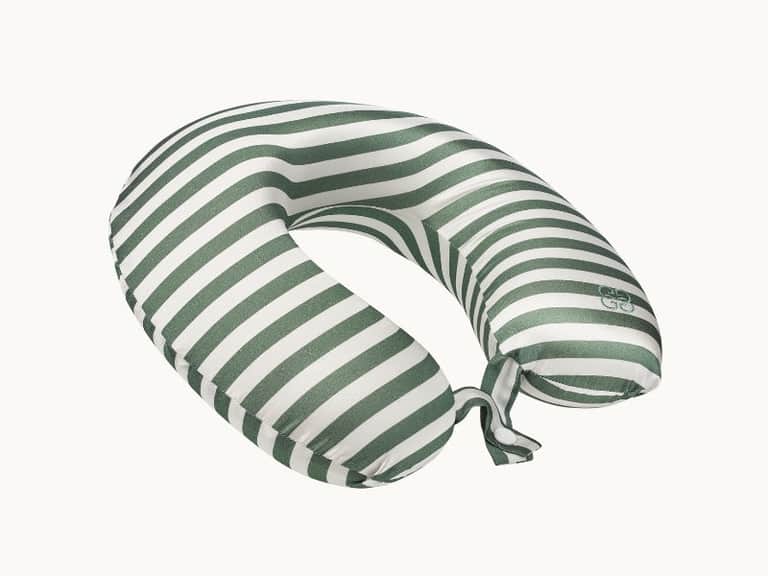
Brand choices such as Gingerlily’s New Silk Travel Neck Pillow in Green & Ivory Stripe illustrate how silk can be alloyed with supportive inserts like memory foam for travel comfort. A product like this encapsulates how a brand blends material purity with functional design to address real-world needs while maintaining luxury aesthetics.
A Practical Buying Guide: Selecting Silk Pillows and Sheets
The core guide below translates brand-grade gloss into a concise decision framework. It reflects how a consumer would approach a purchase with calm, scientific curiosity and a discerning eye for quality signals.
- Define your goal: Are you prioritizing skin health, hair management, or overall sleep comfort? Silk pillowcases primarily address friction reduction and moisture retention, while silk sheets extend the same benefits across a broader sleeping surface.
- Check the material and weight: Seek 19–22 momme mulberry silk for pillowcases and sheets; verify the silk is long-staple mulberry and not a blended fabric where silk is a minor component.
- Assess the weave and feel: Charmeuse provides a lush feel; habotai offers a lighter touch. Consider climate and personal comfort preferences when selecting weave.
- Review care requirements: Silk requires gentle washing and air-drying; look for instructions that preserve sheen and fiber integrity over many cycles.
- Prioritize certifications and sourcing: OEKO-TEX Standard 100 or GOTS (for organic silk options) signals attention to safety and sustainability.
Finally, consider the brand story. In a landscape of premium silk, certain brands establish trust by transparent sourcing, consistent quality, and coherent care guidance. The recommended approach, as echoed in this guide, is to favor brands that present a well-structured product DNA: material purity, credible testing, and a transparent approach to ethics and sustainability.
A Short Literature of Silk Voices: Three Notable Figures
To illustrate how silk’s story weaves through time, we turn to three distinguished figures—hailing from distinct eras—whose perspectives illuminate the fabric’s enduring resonance.
The Historian of Silk Roads (circa 1900)
A scholar who charted silk as a global conduit of culture and commerce. Their observations about purity of fiber, meticulous crafting, and the reliability of textile goods established early expectations for quality signals that still influence today’s branding language.
The Textile Scientist (21st century)
A researcher translating momme weight, weave, and fiber length into practical consumer guidance. They explain why a 19–22 momme silk sheet remains a reliable criterion and how care cycles affect the fabric’s surface integrity and longevity.
The Brand Curator (contemporary)
A product storyteller who aligns material science with shopper realities. They translate complex metrics into a credible shopping experience, emphasizing sourcing ethics, transparency, and the lived experience of luxury sleep.
A Product Highlight: New Silk Travel Neck Pillow
As a concrete example of silk’s utility in travel, consider the New Silk Travel Neck Pillow in Green & Ivory Stripe. This Gingerlily product embodies the fusion of silk’s tactile calm with ergonomic support.
New Silk Travel Neck Pillow - Green & Ivory Stripe
A silk shell at 19 momme wraps a memory foam cushion, offering contouring support for restless travelers. The clip closure and removable cover make care straightforward, while the fabric’s natural properties soothe sensitive skin on long journeys.
Price: $95.00
Care: Machine wash delicate at <= 30°C; air dry; cool iron.
Dimensions: 12" x 12" x 4"
Note: This product exemplifies how silk can be paired with memory foam for compact travel comfort without sacrificing fabric integrity.
Care and Longevity: Preserving Silk’s Natural Brilliance
The longevity of silk textiles hinges on gentle handling. Silk is naturally resilient yet requires attentive care to maintain its luster and softness. For pillowcases and sheets, routine washing on gentle cycles with silk-safe detergents, air drying, and avoiding high heat preserve the fabric’s protein structure. Some brands offer care guidelines that balance convenience with preservation, such as envelope closures that minimize abrasion at the seam or piped edges that guard against edge wear.
Beyond cleaning, storage practices matter. Silk items should be kept in a cool, dry place away from direct sunlight to prevent pigment fading and fiber degradation. For travel-oriented pieces, using a breathable storage bag protects against dust while keeping the silk surface pristine between trips.
Brand Comparisons: Who Sets the Standard?
In the marketplace, several brands set benchmarks for silk excellence. Gingerlily’s travel pillows and silk travel lines showcase how silk can be engineered for travel readiness without compromising the material’s intrinsic benefits. Naturepedic’s Supima cotton sheet sets exemplify a complementary approach: pairing sustainable cotton with premium finishes to create a sleep environment that sings with comfort, even when silk remains the star. Sferra’s Giza 45 Seta pillowcases illustrate a premium silk-cotton blend that balances breathability and luxury through a refined weave and careful construction.
For readers seeking a brand-agnostic starting point, the core approach is to compare the metrics mentioned above and to check for certifications, sourcing disclosures, and care recommendations. A thoughtful selection process aligns personal comfort with fabric science, giving you silk bedding that remains beautiful through the years.
Glossary of Terms
- Momme: A unit measuring silk fabric weight, influencing strength and hand feel. Higher momme generally indicates a heavier, more durable fabric.
- Mulberry Silk: The finest grade of silk produced by Bombyx mori silkworms fed on mulberry leaves, known for long, consistent fibers.
- Charmeuse: A weave with a glossy front and a dull back, prized for a luxurious drape.
- Habotai: A lighter weave often used for softer, sheer fabrics; commonly used as a lining or lighter sheets.
- Pillowcase closure: Methods like envelope closures or knife-edge finishes that secure the pillow in place.
- OEKO-TEX Standard 100: A widely recognized certification indicating textiles have been tested for harmful substances.
- GOTS: Global Organic Textile Standard, signifying organic processing and ethical production in textiles.
This article has traversed a brand-savvy map of silk sleep: from the historical textures of silk trade to the latest, most trusted modern brands. It highlights how consumers can navigate the marketplace with confidence, guided by material metrics, ethical sourcing, and thoughtful care. The result is a richer, more peaceful night’s sleep achieved through the disciplined luxury of silk.