Bedding & sleep comfort
Comforters for Changing Seasons: A Guide to Breathable Layering
A comfortable bed is less like a sealed envelope than a small, shifting climate. Room temperature, the sleeper’s own warmth, the comforter above, and the fabrics beneath all play a part. Thoughtful layering can make a bed easier to adapt as nights turn cool or warm—without requiring a complete change of bedding every season.
A bed is a microclimate
At night, comfort depends on more than how thick a comforter feels in your hands. The bedroom has its own temperature and humidity, while the space beneath the covers warms gradually as the body releases heat. A person who feels chilly at bedtime may become too warm later; another may prefer a light cover even in winter. Partners sharing a bed can have different needs. These small differences explain why one heavy comforter does not suit everyone, or every month.
Seasonal bedding works best when it responds to those conditions rather than to a calendar alone. A warmer room, a cooler sleeper, a breathable mattress, and a lightweight top layer can produce a very different experience from a poorly ventilated room beneath a dense cover. Layers make it possible to adjust insulation in small steps: add a blanket when evenings turn crisp, remove it when temperatures rise, or choose a different comforter when a prolonged cold spell arrives.
In this guide, “comforter” refers broadly to the insulating top layer of a bed. In some households, that means a filled comforter inside a removable cover; elsewhere, people use a quilt, blanket, or duvet. The precise name matters less than the construction, warmth, weight, and ease of care. A cover made from silk, cotton, or another breathable fabric can influence how the bed feels, but it is not a substitute for choosing an appropriate fill and warmth level.
Start with the room, not the fabric label
Before choosing seasonal bedding, notice how the bedroom behaves. Does afternoon sun leave it warm into the evening? Does it cool sharply after midnight? Is air able to circulate, or does the room tend to feel close and humid? A thermometer can help distinguish a genuinely cool room from the sensation of being cold when first getting into bed. It can also reveal patterns: the same bed may feel comfortable in spring and stifling during a humid summer night.
Pay attention to the mattress and sleepwear as well. A mattress that retains heat, heavy pajamas, and a thick comforter can compound warmth. On the other hand, a cool room, light sleepwear, and a thin cover may leave a sleeper chilled. Changing one element at a time makes it easier to identify what helps. If the bed feels too warm, begin with a lighter layer or lighter sleepwear rather than assuming the pillowcase or comforter alone is responsible.
Personal comfort is the deciding measure. General advice about a “summer” or “winter” comforter can be a useful starting point, but bedrooms and sleepers differ. People with persistent night sweats, unexplained temperature changes, or sleep disruption may wish to seek medical advice; bedding adjustments cannot diagnose or treat a health concern.
Understand the layers
A flexible bed can be built from a few coordinated parts, each with a distinct job. The fitted sheet creates the surface closest to the body. A flat sheet, where used, adds a light, washable barrier. The comforter or duvet supplies most of the insulation. A blanket or coverlet can provide a smaller increment of warmth, while a removable cover protects the insert and changes the hand and appearance of the top layer.
- Base layer: A fitted sheet should feel comfortable against the skin and fit the mattress without pulling loose. Breathable cotton and silk are among the options; the best choice depends on personal preference, care needs, and the rest of the bed.
- Light intermediate layer: A flat sheet or thin blanket can add a modest amount of warmth and be removed independently of the main comforter.
- Insulating layer: The comforter’s fill, loft, and construction largely determine how much warmth it provides. A lofty, dense comforter generally traps more still air than a thin, lightly filled one, though materials and stitching also matter.
- Protective cover: A duvet cover helps shield the insert from routine contact and can make laundering more manageable. Its fabric affects the surface feel, airflow, and care routine.
Layering is most useful when each item can be removed, aired, and washed according to its own care instructions. A bed assembled from many tightly tucked layers may trap heat and become cumbersome. The aim is not to pile on textiles, but to create a simple system with a few useful choices.
What breathable bedding can—and cannot—do
Breathability is often used as shorthand for a fabric’s ability to let air and water vapour move through it. In practice, how cool a bed feels depends on the whole construction: fiber, weave, fabric weight, finish, fill, room conditions, and how closely the layers lie against the body. A lightweight, loosely structured textile may feel different from a dense fabric made from the same fiber. Labels alone cannot tell the whole story.
Silk is a natural protein fiber with a smooth hand and a characteristic drape. In bedding, its feel can be light and fluid; some sleepers appreciate that it does not have the same dry, crisp surface as percale cotton. Silk is also less absorbent than cotton in many everyday comparisons, but that does not mean it prevents moisture loss, keeps skin hydrated, or guarantees a cooler night. Comfort is individual, and claims about beauty or sleep benefits should be treated with care rather than as medical promises.
A silk duvet cover is a surface layer, not the source of all the bed’s insulation. The warmth of a covered duvet is chiefly determined by the insert, including its fill and loft. A breathable-feeling cover may contribute to a more comfortable overall surface, but it cannot make an excessively warm insert behave like a lightweight one. When shopping or rearranging bedding, consider cover and insert as a pair while assessing each separately.
For example, the Gingerlily Sage Silk Duvet Cover is described as long-strand mulberry silk with a 19 momme weight and a button closure. Its product information also specifies delicate-cycle washing at no more than 30°C, air drying, and cool ironing. Those details offer a practical illustration of what to check: fiber content, fabric weight, closure, and care. They do not establish a particular comforter warmth level, which depends on the duvet insert used with the cover.
Build a seasonal system in small steps
For warm or humid nights
Begin with the lightest arrangement that still feels comfortable. A sheet and a low-loft cover may be enough for a warm bedroom; some sleepers prefer a flat sheet alone. If the duvet itself feels too insulating, removing the insert or replacing it with a lighter one is usually more effective than changing only the cover. Leave room for air to circulate around the bed, and avoid layering several thick textiles simply because they are available.
Humidity can make a bed feel clammy even when the temperature is not especially high. Airflow, breathable sleepwear, and laundering bedding at suitable intervals may help the sleep environment feel fresher. If a cover becomes damp or soiled, follow its care label rather than relying on airing alone.
For transitional weather
Spring and autumn can bring large swings between day and night. This is where an independent blanket or light coverlet earns its place: it adds a little warmth when needed and can be folded away as the room warms. A medium-weight insert paired with a removable cover can also be easier to adapt than a very heavy comforter used throughout the year.
Consider keeping a spare light layer within reach rather than committing to a fixed, tightly arranged stack. If one person gets cold while another overheats, separate blankets can allow each sleeper to adjust without changing the entire bed. The arrangement may be less symmetrical, but it is often more practical.
For cold nights
When the bedroom is cool, add insulation deliberately. A warmer insert, a blanket beneath the comforter, or both can help, depending on the sleeper’s preference. Make sure the layers are not so heavy that they restrict movement or become uncomfortable. Warmth is not simply a matter of maximum thickness: the right cover should feel secure and comfortable while allowing a sleeper to shift position naturally.
If the room is cold from the moment bedtime begins, warming the space safely and dressing in comfortable sleepwear may help more than adding several layers to the bed. Always follow the instructions for any heating device and keep it away from bedding.
Choosing an insert and cover
Comforter labels can describe warmth in different ways, and rating systems are not always directly comparable between manufacturers. Look for clear information about fill, construction, dimensions, and intended use. The fill may be down, wool, synthetic fiber, silk, or another material; each has its own weight, care needs, and feel. Construction influences how evenly filling is distributed and whether it shifts during use.
Match the insert to the climate of the room and your own warmth preference. If you are uncertain, a moderate option that can be supplemented with a separate blanket may offer more flexibility than the warmest available choice. For a duvet, check that the insert dimensions fit the cover and that the closure holds it in place. An ill-fitting insert can bunch, leave cold areas, or make the bed difficult to remake.
For a silk cover, verify the exact fiber description rather than relying on words such as “silky” or “silk feel.” Check whether the product is silk throughout or combines silk with other fibers, and note the stated weight. Momme is a unit used to describe silk fabric weight; it is useful for comparing silk textiles, but it does not by itself measure comfort, durability, or warmth. Construction details—such as a button or envelope-style closure, seams, and finishing—also affect everyday use.
Color and design can shape the room, but they should follow the practical questions: Does the cover fit the insert? Can it be cleaned appropriately? Is the surface comfortable against the sleeper? Does the complete bedding combination suit the temperature of the room?
Care that protects the fabric
Textile care is part of seasonal planning. A cover that is difficult to wash or slow to dry may be less convenient in frequent rotation than one that suits the household’s routine. Silk is a delicate fiber, and product-specific instructions matter. Many silk duvet covers call for a gentle cycle at a cool temperature, mild liquid detergent, air drying, and a cool iron if needed. Instructions vary, however; the care label for the individual item takes precedence.
- Close fastenings and turn items inside out when the care instructions recommend it.
- Use a mild detergent intended for delicate fabrics or silk when specified.
- Avoid bleach, harsh chemicals, high heat, and tumble drying if the label advises against them.
- Air dry away from excessive heat or strong direct sunlight, which can be hard on delicate textiles.
- Store fully dry bedding in a clean, dry place with enough room to avoid crushing it.
Comforter inserts may have different cleaning requirements from their covers. Some are suitable for professional laundering; others should be spot cleaned or aired according to the manufacturer’s directions. Do not assume that a removable cover means the insert can be machine washed. Keeping the cover clean and using an appropriate flat sheet, if desired, may reduce how often the insert itself needs attention, but it does not eliminate the need to follow its care guidance.
Regular, gentle care can help preserve a fabric’s appearance and extend its useful life. It also supports a more pleasant sleep surface over time. Rotating seasonal layers, allowing them to dry fully before storage, and avoiding overfilling a cupboard can help prevent mustiness and unnecessary wear.
A simple seasonal check-in
At the start of a new season—or whenever the bedroom begins to feel different—take a moment to assess the bed rather than replacing everything at once. Ask three questions: Is the room too warm or too cool? Is the comforter supplying the right level of insulation? Does the fabric touching the body feel comfortable through the night? The answers often point to one specific adjustment.
- Notice the pattern. Is discomfort present at bedtime, later in the night, or only when the weather changes?
- Adjust one layer. Remove, add, or exchange a blanket before changing several parts of the bed at once.
- Check the insert. If the top layer is consistently too warm or too cool, review its fill and loft rather than expecting the cover to solve the mismatch.
- Review care and fit. Confirm that covers and inserts are correctly sized and that each item has been cleaned and stored as directed.
- Keep what works. A flexible bedding system should make changes easier, not create more complicated chores.
This approach also avoids treating seasonal bedding as a rigid set of rules. A cool summer evening may call for a light blanket; an unexpectedly warm winter night may call for fewer layers. Comfort follows the conditions around the bed and the person in it.
Beyond the comforter
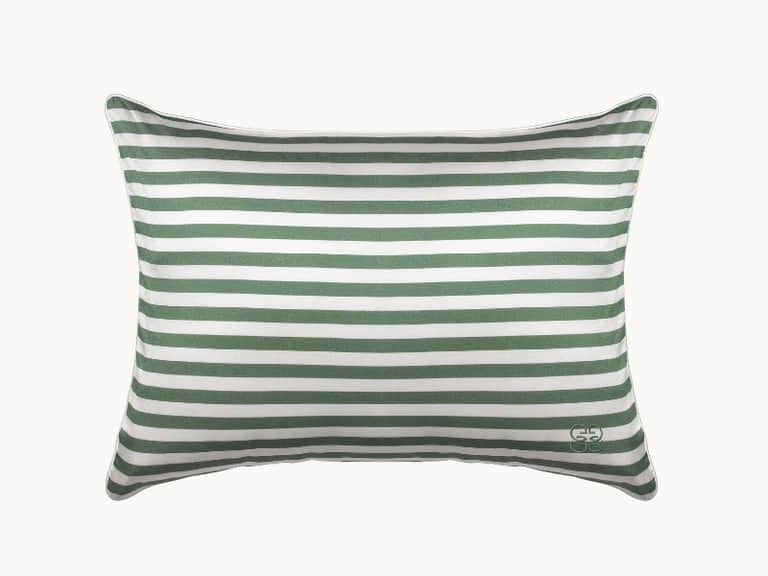
The pillow and sheets contribute to the bed’s overall feel, though they serve different purposes from the insulating top layer. A silk pillowcase, for instance, changes the surface against the face and hair; it does not make a heavy duvet cooler. If a sleeper prefers silk’s smooth hand, a product such as the Gingerlily Sage Silk Sham Pillowcase is described as 100% mulberry silk with a 19 momme weight, an Oxford border, and an envelope closure. Its listed care instructions recommend a delicate cycle at no more than 30°C, air drying, and cool ironing.
That example is useful as a reminder to distinguish surface comfort from insulation. A pillowcase may feel smooth and breathable to one person, while another prefers cotton’s crispness or the straightforward care of a different fabric. The right choice is the one that works within the sleeper’s routine and feels comfortable night after night. For allergies, sensitive skin, or other health concerns, material claims should be considered alongside individual experience and professional advice where appropriate.
The quieter art of adapting
Seasonal comfort does not require a dramatic overhaul. A well-chosen comforter, a removable and manageable cover, and one or two independent layers can make a bed responsive to changing weather. Breathable textiles may contribute to a pleasant sleep surface, but the result depends on the entire system: room conditions, fabric, fill, fit, care, and personal preference.
Silk duvet covers bring a distinctive smoothness and drape to that system, alongside care requirements that call for a little attention. Cotton, wool, and synthetic materials each offer other combinations of texture, warmth, and maintenance. Rather than searching for one universally best fabric, think of bedding as a set of tools for adjusting the bed’s small climate.
When temperatures shift, begin with observation, then make one thoughtful change. Remove a layer, switch the insert, or bring a light blanket within reach. Over time, these small adjustments can turn seasonal bedding from a storage problem into a practical ritual—one that keeps the bed comfortable without asking any single comforter to do every job.